
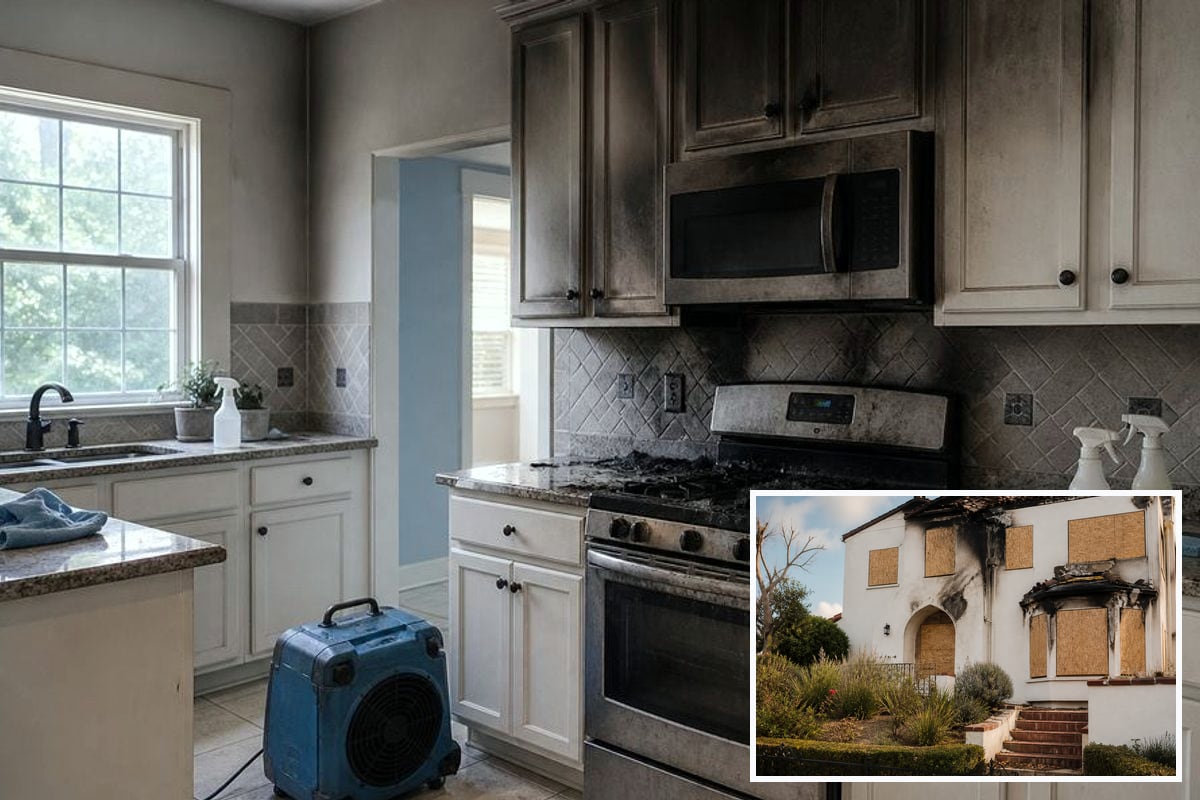
What to Do After a House Fire: A Step-by-Step Recovery Guide
The fire is out, but the hardest part is often just beginning. In the hours and days after a house fire, homeowners are asked to make decisions about safety, insurance, and cleanup while still processing what happened. It's a lot to handle at once, and getting the order of operations right protects both your family and your claim.
This guide walks through what to do after a house fire in the order it actually needs to happen, from the moment you're allowed back on the property through documenting damage, securing what's left, and deciding what cleanup you can handle yourself.
Immediate Safety Steps After a House Fire
The first thing to do after a house fire is wait for fire officials to declare the structure safe before re-entering, even if the flames are already out. Structural damage, weakened floors, and hidden hot spots can pose serious risks that aren't visible from the outside.
Wait for Fire Officials to Clear the Structure
Fire crews assess structural integrity, check for lingering hot spots, and confirm the building is safe to enter before releasing it back to you. This step exists because fires can weaken framing, ceilings, and floors in ways that aren't obvious until someone's weight is on them. Follow their instructions exactly, even if it means waiting longer than you'd like.
Once you're cleared to enter, carbon monoxide can still be a concern if gas lines or appliances were affected by the fire, so ventilate the space and avoid using any gas appliance until a professional confirms it's safe.
What Not to Do Before Re-Entry
Don't attempt to sneak back in before clearance to retrieve belongings, no matter how important they feel in the moment. Don't turn on utilities without inspection. And don't touch soot or ash-covered surfaces without gloves and a mask once you are cleared to enter, since residue can contain harmful particles that irritate skin and lungs.
Who to Contact After a House Fire
After ensuring everyone is safe and the property has been cleared, the next calls go to your insurance company and the utility providers connected to your home. These calls set the recovery process in motion.
Fire Department and Local Authorities
If you haven't already been in contact, confirm with local fire officials whether any follow-up inspections or reports are required before you proceed. Keep a copy of the fire incident report. Your insurance company will likely ask for it.
Your Insurance Company
Call your insurer as soon as possible to open a claim. Ask what documentation they need, whether they'll send an adjuster to inspect in person, and what temporary living expenses might be covered while your home is unlivable. Write down the claim number and the name of anyone you speak with.
Utility Companies (Gas, Water, Electric)
Gas, water, and electric lines can all be compromised by fire, even in areas that look untouched. Contact your utility providers about shutting off or inspecting service before anything is turned back on. This is a safety step, not an optional formality.
How Fire Damage Restoration Works explains what happens once your insurer and a restoration team are both involved.
Documenting the Damage for Your Insurance Claim
Thorough documentation before you touch or move anything gives your insurance claim the best chance of an accurate, efficient review. Photos, a home inventory, and kept receipts form the backbone of that documentation.
Creating a Home Inventory
Walk through the property, room by room, and list what was damaged or destroyed. Include approximate age, purchase price if you remember it, and condition before the fire. If you have prior photos of your home, such as from social media or old listings, pull those too. They can help establish what existed before the fire.
Photos, Receipts, and Records to Keep
Photograph everything before cleanup begins, including areas that look untouched, since smoke and water damage can affect rooms far from the fire's origin. Keep receipts for any emergency expenses, including temporary housing, food, and clothing, as many policies reimburse these as part of additional living expenses coverage. Your insurance company can tell you exactly what documentation format they need for the claim.
Securing Your Property After a Fire
Securing a fire-damaged property usually means boarding up windows and doors and tarping any roof damage to keep out weather and prevent unauthorized entry. This protects what remains while your claim and restoration plan come together.
An open, fire-damaged structure is vulnerable to further water intrusion if rain gets in through a compromised roof or broken windows, and it's also vulnerable to theft or trespassing. Boarding and tarping are standard steps that most restoration companies and some insurers expect to see completed quickly after a fire, before more extensive repair work begins.
Cleaning Up After a House Fire: What Homeowners Can and Cannot Do Safely
Homeowners can typically handle light, non-porous surface cleaning once the structure is cleared, but smoke residue, soot, and water damage from firefighting efforts usually require professional equipment to fully address. Knowing where that line falls prevents wasted effort and health risk.
What Homeowners Can Safely Handle
Wiping down hard, non-porous surfaces with appropriate cleaning solutions, once you're wearing gloves and a mask, is generally within reach for most homeowners. Removing obviously ruined, non-salvageable items after they've been documented is also reasonable. Airing out the home, where structurally safe to do so, helps too.
Why Soot, Smoke, and Water Damage Need Professional Cleanup
Smoke residue penetrates further than it looks, often reaching into HVAC systems, wall cavities, and fabric fibers throughout the house, not just the room where the fire started. Soot and ash contact carries health risks from inhalation and skin exposure, which is why professional assessment before extensive cleanup is strongly recommended. Water used to fight the fire adds another layer, since it can seep into subfloors and framing in ways that lead to mold growth if not addressed with proper drying equipment.
Smoke Damage vs. Soot Damage breaks down exactly why these two forms of fire residue need different treatment.
Taking Care of Yourself and Your Family
Recovering from a house fire is an emotional process, not just a logistical one, and support resources exist specifically for this kind of displacement and loss. The American Red Cross is a well known, verifiable resource that provides emergency assistance, including temporary shelter, to families displaced by home fires.
Beyond immediate needs, give yourself and your family room to process what happened. Losing a home, even temporarily, is disruptive in ways that go beyond property. If children were in the home, watch for signs of stress or anxiety in the weeks following, and don't hesitate to seek counseling support if it would help. Community organizations, places of worship, and local mutual aid groups in your area may also offer practical help during the transition.
Frequently Asked Questions About What to Do After a House Fire
Is it safe to go back into my house after a fire?
Do not re-enter a fire-damaged structure until fire officials have declared it safe. Even when flames are out, structural damage, weakened floors, and hidden hot spots can pose serious risks. Once cleared, wear protective gear such as gloves and a mask before touching soot- or ash-covered surfaces, since residue can contain harmful particles.
What should I do first after a house fire?
After ensuring everyone is safe and the fire department has cleared the property, contact your insurance company to start the claims process. Then reach out to utility companies if gas, water, or electric service needs to be shut off or inspected before it's safe to use again.
Can I clean smoke and soot damage myself?
Minor surface soot on non-porous items may be manageable with proper protective gear, but smoke residue often penetrates HVAC systems, walls, and fabrics in ways that are difficult to fully remove without professional equipment. Because soot and ash contact carries health risks, professional assessment is recommended before extensive DIY cleanup.
What should I document for my insurance claim after a fire?
Photograph all damage before touching or moving anything, create a home inventory of damaged or destroyed items, and keep receipts for any emergency expenses like temporary housing. Your insurance company can guide you on their specific documentation requirements.
How do I secure my property after a house fire?
Depending on the extent of damage, this may involve boarding up windows and doors or tarping a damaged roof to prevent weather exposure and unauthorized entry. This step helps protect what remains while you work through the recovery and claims process.
What should I not do after a house fire?
Avoid turning on utilities without professional inspection, avoid using electrical appliances that may have been exposed to water or heat, and avoid extensive cleanup before your insurance adjuster has documented the damage.
Who pays for fire damage cleanup?
This depends on your homeowners insurance policy. Coverage for fire damage restoration varies by insurer and policy terms, so confirm your specific coverage directly with your insurance provider.
Get Professional Help After a House Fire in Los Angeles
Recovering from a house fire is easier with an experienced team handling the parts that require specialized equipment and safety protocols. LA Water Damage works with homeowners across Greater Los Angeles on smoke, soot, and water damage cleanup following residential fires, with response guided by [details pending verification].
Call request a callback or visit contact form when you're ready for an assessment.
---