
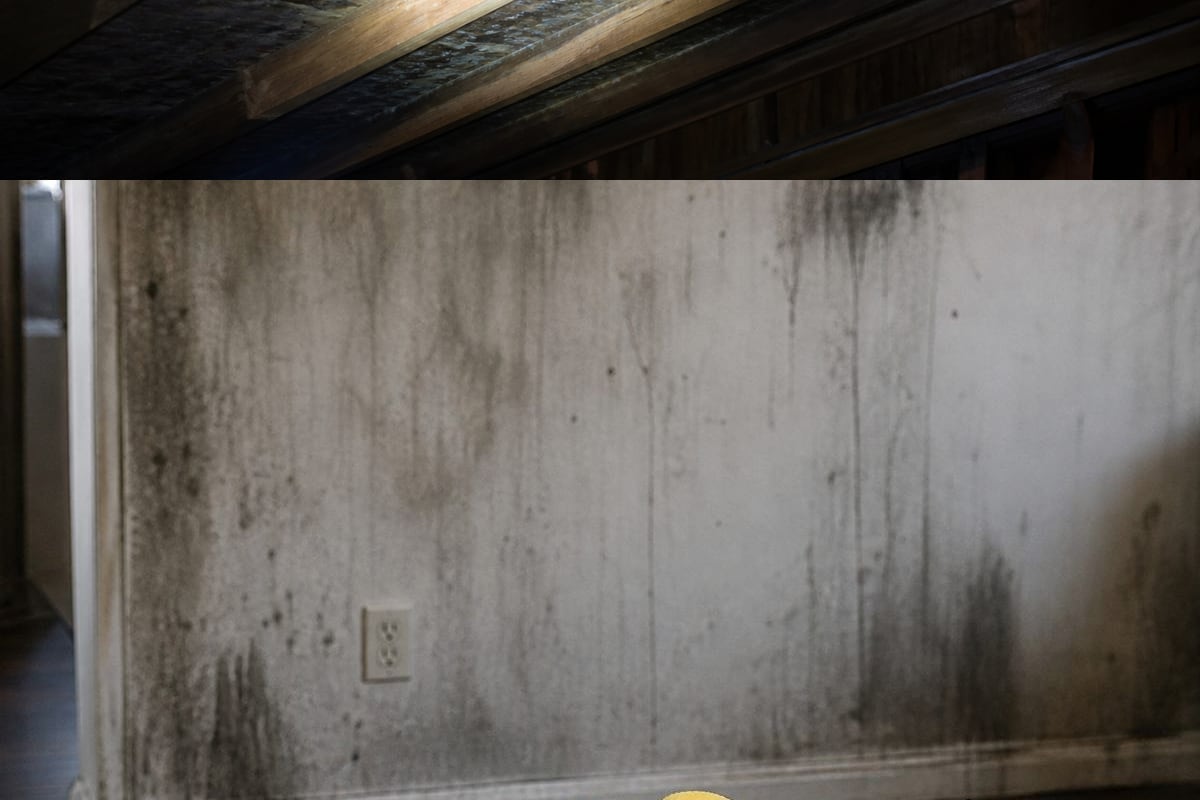
Smoke odor removal is the process of eliminating the particles and gases left behind after a fire, not just covering up the smell with a spray. A small kitchen mishap might respond to a few hours of ventilation and scrubbing. A structure fire or a smoky week during wildfire season usually calls for professional deodorization, because by the time you notice the smell, it has already worked its way into materials all over the house.
This guide walks through why smoke odor is so stubborn, how to judge the severity of what you're dealing with, which DIY steps actually work, and when it's time to bring in professional equipment.
Why Smoke Odor Is So Hard to Remove
Smoke odor lingers because microscopic soot particles and volatile organic compounds (VOCs) released during combustion bond to porous surfaces throughout a home, not just the area closest to the fire. Unlike a spilled liquid that stays where it lands, smoke travels on air currents and settles everywhere the air reaches.
Soot itself is a mix of unburned carbon, ash, and chemical byproducts from whatever burned, whether that's wood framing, synthetic carpet fibers, or a pan of cooking oil. These particles are small enough to lodge deep inside drywall, insulation, wood grain, and fabric weave. Surface cleaning removes what you can see and touch, but it often leaves the embedded particles that are actually producing the smell.
How Smoke Particles Penetrate Porous Materials
Porous materials like drywall, carpet padding, insulation, and unfinished wood have countless tiny air pockets. Smoke particles ride into those pockets on airflow and heat, then get trapped as the material cools. Once inside, they release odor slowly over time, which is why a house can smell fine one week and musty-smoky again the next, especially as humidity changes and reactivates trapped compounds.
Fire Smoke vs. Cigarette Smoke: Why Fire Residue Is Tougher
Cigarette smoke is a slow, low-heat process that deposits a thin, mostly uniform film over months or years. Fire smoke is the opposite: a short, high-heat event that produces a denser, more chemically complex residue in a matter of minutes. That intensity is part of why structure-fire odor is so much harder to fully clear than years of tobacco smoke, even though the total exposure time is dramatically shorter.
How to Assess the Severity of Smoke Odor Damage
You can get a reasonable read on smoke odor severity by combining a visual inspection with a simple smell test in each room, including closets and cabinets. The goal is to figure out whether you're dealing with light surface residue or damage that has reached the structure itself.
Visual and Smell-Test Inspection Checklist
Walk through the home and check for these signs room by room:
- Yellow or brown discoloration on walls, ceilings, or light fixtures
- A greasy or sticky film on hard surfaces
- Odor that's noticeably stronger inside closed closets, cabinets, or drawers
- Smell that returns within hours of airing out a room
- Soot visible on air vents, window sills, or ceiling corners
Light, Moderate, and Severe Damage Signs
Light damage usually means faint odor with no visible soot, often from a contained kitchen incident. Moderate damage shows some visible staining and odor that returns after airing out, typically from a fire that was contained to one room but produced sustained smoke. Severe damage includes heavy soot staining, odor that's noticeable throughout the house, and smell embedded in HVAC ductwork, which usually points to a fire that burned for a longer period or spread beyond its point of origin.
If you're unsure which category your situation falls into, a professional walk-through assessment can confirm the scope before you decide between DIY cleaning and full deodorization. [details pending verification]
DIY Smoke Odor Removal Steps
DIY smoke odor removal can work well for light, surface-level odor, but it generally isn't enough for fire-damage-level contamination that has reached wall cavities or ductwork. Here's the order that tends to produce the best results for a manageable case.
Ventilate the Space First
Open windows and doors and run fans to create cross ventilation before you start cleaning anything. This won't eliminate embedded odor on its own, but it clears out loose particles still floating in the air and makes the rest of the cleanup more effective. Give this at least a few hours, and longer if outdoor air quality allows it.
Clean Hard Surfaces and Walls
Wipe down walls, ceilings, and hard surfaces with a mild detergent solution, working from the top of a room down. Avoid soaking drywall or plaster, since trapped moisture behind a wet surface can create its own problems. Rinse and dry as you go, and change your cleaning water frequently since soot residue spreads fast in dirty water.
Treat Soft Materials and Fabrics
Wash removable fabrics like curtains, throw pillows, and bedding using the hottest water setting the fabric allows, paired with a detergent designed to break down odor rather than just mask it. Upholstered furniture and carpet are harder to fully treat with home equipment, since the odor often sits deep in the padding, not just the surface fibers.
Use Absorbent Materials and Air Purifiers
Baking soda and activated charcoal are genuinely useful here. Both absorb odor molecules from the air rather than masking them, and they're inexpensive enough to use generously in closets, drawers, and closed rooms. A HEPA air purifier running continuously for several days can also meaningfully reduce airborne particle load in a lightly affected room, though it won't remove odor that's embedded in materials.
Smoke Odor in HVAC and Air Ducts
If your HVAC system was running during or shortly after the fire, assume smoke particles are now inside the ductwork. Replace air filters immediately, and don't run the system on recirculate until ducts have been inspected, since a contaminated system will just keep redistributing the smell through rooms that never had visible smoke exposure. This is one of the areas where DIY cleaning consistently falls short, since duct interiors aren't accessible without specialized equipment.
Professional Smoke Odor Removal Methods
Professional smoke odor removal typically relies on one or more of three core methods: thermal fogging, ozone treatment, or hydroxyl generators, chosen based on the severity of contamination and whether the space needs to stay occupied during treatment.
| Method | How It Works | Occupancy During Treatment | Best For |
|---|---|---|---|
| Thermal fogging | Heated deodorizing solution vaporizes and penetrates the same surfaces smoke reached | Unoccupied during application | Moderate to severe odor in enclosed spaces |
| Ozone treatment | Ozone gas chemically breaks down odor molecules in air and on surfaces | Must be vacant during and after, until cleared | Severe, whole-structure odor |
| Hydroxyl generators | Produces hydroxyl radicals that neutralize odor without ozone's occupancy restrictions | Can often run in occupied spaces | Situations where residents can't fully vacate |
Thermal Fogging
Thermal fogging uses a heated deodorizing solution turned into a fine fog that mimics the way smoke originally traveled through a space, reaching into the same cracks, fibers, and surfaces the smoke penetrated. It's a widely used method for moderate to severe odor because it treats surfaces that hand-cleaning can't reach.
Ozone Treatment
Ozone generators are effective at breaking down odor molecules at a chemical level, but the gas itself is not safe to breathe. Treated spaces must be fully vacated during application and for a period afterward, following specific ventilation and re-entry timelines. This occupancy restriction is exactly why ozone treatment is typically handled by trained technicians rather than attempted as a DIY project.
Hydroxyl Generators
Hydroxyl generators produce hydroxyl radicals, a naturally occurring compound also found in outdoor air, that break down odor molecules both in the air and on surfaces. Because they don't carry ozone's occupancy restrictions, they're often the preferred option when residents need to remain in part of the home during treatment.
The Professional Deodorization Process
A professional deodorization process generally starts with an assessment to identify contamination sources, followed by source cleaning of affected surfaces, application of one or more of the methods above, and a final odor check before the job is considered complete. [details pending verification] Kitchen Fire Cleanup Guide: What to Do Step by Step
When DIY Isn't Enough: Signs You Need a Professional
DIY methods reach their limit once smoke odor has moved beyond surface residue into the structure itself, HVAC system, or a large enough portion of the home that hand-cleaning can't keep up. Consider calling a professional if any of these apply:
- Odor is still noticeable days after thorough cleaning and ventilation
- Smoke reached more than one room or traveled through the HVAC system
- You're filing an insurance claim and need documented, professional-grade remediation
- Soot staining is visible on walls, ceilings, or structural elements
- The fire involved synthetic materials, which tend to produce more persistent, chemically complex residue
Smoke Odor After a Los Angeles Wildfire vs. a Structure Fire
Wildfire smoke odor and structure-fire odor behave differently in an LA home even though both start with combustion. Wildfire smoke typically enters through HVAC systems, open windows, and small gaps around doors during Santa Ana wind events, coating surfaces with a fine ash layer without the concentrated heat damage of an in-home fire.
Structure-fire odor, by contrast, is usually more concentrated in and around the room of origin but far more deeply embedded there, since the heat and proximity are much greater. Greater Los Angeles homes also deal with marine-layer humidity along the coast and inland heat further from it, both of which can reactivate trapped odor compounds at different rates depending on where in the region you live. A home in Pasadena dealing with ash infiltration from a nearby wildfire needs a different cleaning approach than a Culver City kitchen fire, even though both fall under "smoke odor removal."
Preventing Smoke Odor From Returning
Preventing smoke odor from returning after treatment mostly comes down to addressing the source completely and maintaining the systems that could reintroduce it. A few habits make a real difference:
- Replace HVAC filters on a regular schedule, especially during wildfire season
- Apply an odor-blocking sealant primer before repainting fire-affected walls
- Keep windows closed during high-smoke air quality days
- Have ductwork inspected if odor was present in more than one room
Frequently Asked Questions About Smoke Odor Removal
How long does smoke odor last without treatment?
Fire smoke odor can persist for months or longer because smoke particles bond to porous surfaces like drywall, insulation, and upholstery. Untreated odor rarely fades on its own and often returns with humidity changes. Professional deodorization addresses the source rather than masking the smell temporarily.
Can air fresheners or candles get rid of smoke smell?
Air fresheners only mask smoke odor temporarily because they don't remove the embedded particles causing it. Once the fragrance fades, the underlying smoke residue odor returns. Source removal through cleaning, air scrubbing, or professional deodorization is required for a lasting fix.
Does homeowners insurance cover smoke odor removal?
Many homeowners policies cover smoke damage remediation, including odor removal, when the fire is a covered peril, but coverage details vary by policy. Contact your insurance provider or adjuster directly to confirm your specific coverage. [details pending verification] restoration teams can typically help document damage for a claim.
Is ozone treatment safe to use in an occupied home?
Ozone generators are effective at breaking down odor molecules but produce a gas that is not safe to breathe, so treated spaces must be unoccupied during and briefly after treatment. Professionals follow specific ventilation and re-entry timelines. This is one reason ozone treatment is typically handled by trained technicians rather than as a DIY step.
What's the difference between thermal fogging and hydroxyl generators?
Thermal fogging uses heated deodorizing solution to penetrate the same surfaces smoke penetrated, while hydroxyl generators produce hydroxyl radicals that break down odor molecules in the air and on surfaces without the occupancy restrictions of ozone. The right method depends on the severity and type of smoke damage present.
Can smoke odor get into my HVAC system and spread through the house?
Yes. HVAC systems can pull smoke particles into ductwork and recirculate the odor throughout a home even in rooms untouched by fire. Duct cleaning and filter replacement are often necessary alongside surface deodorization to fully resolve the smell.
Will smoke smell come back after professional treatment?
When the source of the odor is properly treated rather than masked, the smell should not return under normal conditions. Odor that returns after professional deodorization usually indicates a missed contamination source, such as inside wall cavities or ductwork, that needs further assessment.
Next Steps
If you're dealing with smoke odor that isn't responding to cleaning, or you're not sure whether what you're smelling means DIY steps or professional deodorization, an assessment can settle the question before you spend more time or money guessing. Can Smoke-Damaged Belongings Be Restored? and Water Damage After Firefighting: Why It Happens and What to Do cover related concerns that often show up alongside smoke odor after a fire.
Reach out at request a callback or visit contact form to talk through what you're seeing and what it might take to resolve it.
---