
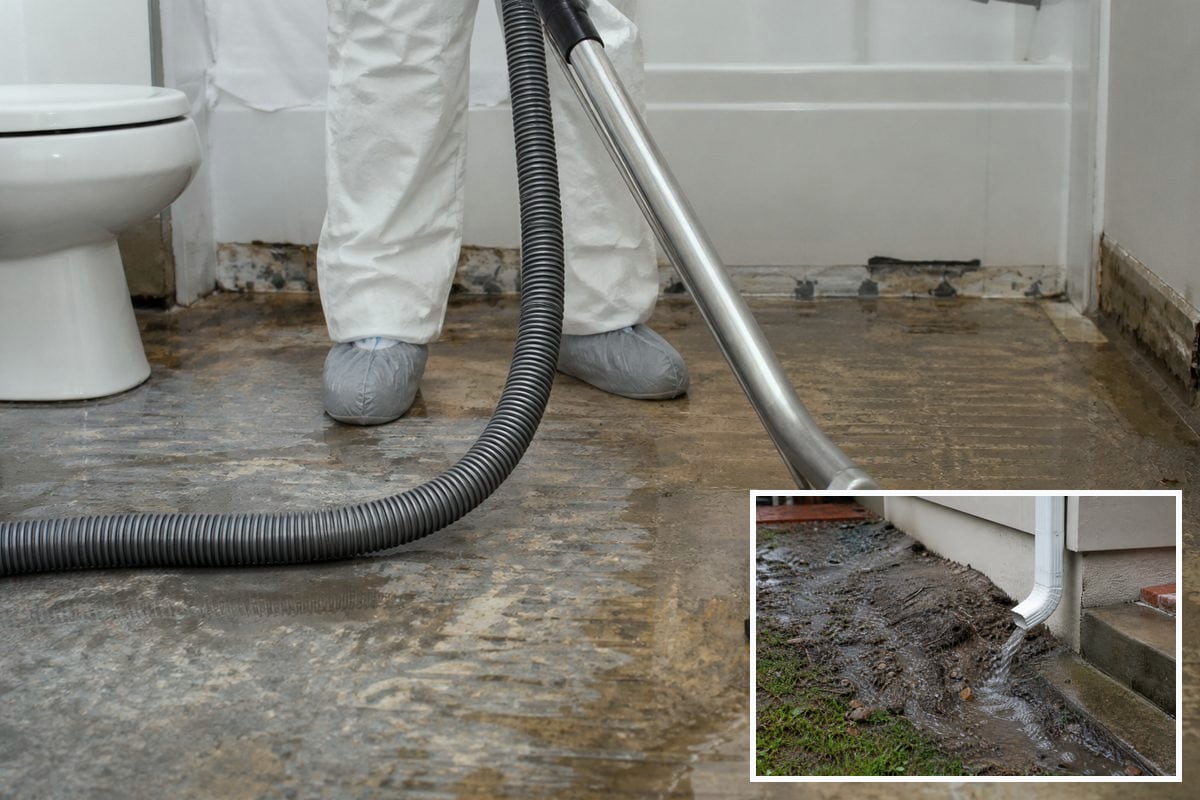
One of the hardest parts of a sewage backup isn't the cleanup itself, it's watching a restoration crew carry carpet, drywall, and furniture out to the curb and wondering whether all of it really needed to go. This is a fair question, and the answer isn't arbitrary. It comes down to how porous a material is and how much contaminated water it actually absorbed. This guide breaks down what typically must be removed, what can usually be saved, and how to evaluate whether a cleanup plan is making that call responsibly.
How Sewage Contamination Determines What Can Be Saved
Whether a material can be saved after sewage contamination depends primarily on its porosity, since porous materials absorb contaminated water in a way that surface cleaning cannot fully reverse, while nonporous materials can usually be disinfected effectively. This single principle explains almost every removal decision a restoration technician makes on site.
That said, "usually" is doing real work in that sentence. Final disposition for any specific item depends on a hands-on assessment, not a blanket rule, since factors like exposure time and water category still matter.
Porous Materials: Usually Must Be Discarded
Porous materials like carpet, padding, drywall, and upholstered furniture usually must be discarded after sewage contamination because contaminated water penetrates deep into their fibers or structure in a way cleaning and disinfecting cannot fully address. These materials act almost like a sponge for contaminated water, which is exactly the problem.
Carpet, Carpet Padding, and Upholstered Furniture
Carpet fibers and the padding underneath absorb contaminated water quickly, and the padding in particular tends to hold onto moisture and contamination long after the carpet surface looks dry. Upholstered furniture behaves the same way. Fabric and foam cushioning soak up contaminated water and rarely dry out fully enough to be considered safe again. In nearly all sewage exposure cases, these items are recommended for disposal rather than cleaning.
Drywall and Insulation
Drywall is essentially compressed paper and gypsum, and both materials wick contaminated water upward well beyond the visible waterline. Insulation behind that drywall absorbs and holds moisture even longer, since it has no way to dry out on its own once it's sealed inside a wall cavity. Because of this, drywall exposed to sewage is usually removed at least to a height above where the water reached, and any wet insulation behind it comes out with it.
Semi-Porous and Structural Materials: Require Closer Evaluation
Semi-porous and structural materials like subflooring and wood framing require closer evaluation than porous materials because their salvageability depends heavily on how long they were exposed and how much water they actually absorbed. Unlike carpet or drywall, these materials don't have an automatic "usually discard" default.
Subflooring and Wood Framing
Plywood or OSB subflooring exposed briefly to sewage water can sometimes be dried, disinfected, and retained, while subflooring that sat saturated for an extended period often cannot. Wood framing follows a similar pattern. Solid structural lumber has some capacity to be dried and treated, but the decision requires moisture testing, not a visual guess. This is genuinely a case-by-case call that needs a professional on site.
Cabinetry and Baseboards
Cabinetry, particularly particleboard cabinet boxes common in many Los Angeles kitchens and bathrooms, tends to swell and delaminate when exposed to contaminated water, which usually rules out saving it. Solid wood cabinetry has a somewhat better chance if caught early. Baseboards, being both cheap to replace and highly absorbent along their bottom edge, are typically removed as a matter of course rather than evaluated individually.
Nonporous Surfaces: Often Cleanable and Salvageable
Nonporous surfaces like tile, glass, and sealed metal or plastic are often cleanable and salvageable after sewage exposure, since contaminated water sits on the surface rather than soaking into the material, making thorough disinfection genuinely effective. This is the good news in an otherwise difficult situation.
Materials that typically fall into this category, when properly disinfected, include:
- Ceramic and porcelain tile
- Glass and mirrors
- Sealed metal fixtures and hardware
- Solid plastic items
- Countertops with a fully sealed, nonporous finish
The qualifier "when properly disinfected" matters here. These materials can be saved, but only if they actually go through full disinfection, not a quick wipe with a household cleaner.
Minimal Damage vs. Extensive Damage: Why the Distinction Matters
Minimal sewage damage generally involves a small, contained area with limited material saturation, while extensive damage affects larger areas, multiple rooms, or structural components, and that distinction directly shapes how much removal and reconstruction the property needs. A single overflowing toilet caught within minutes looks very different from a sewer lateral backup that flooded a finished basement overnight.
This matters for two practical reasons. First, it affects cost and timeline, since extensive damage means more removal, more drying, and more reconstruction. Second, it affects insurance documentation, since adjusters generally want to see the actual scope of damage reflected in both photos and the restoration scope of work, not a rounded-up or rounded-down estimate.
Basement Sewage Backup Cleanup Guide
Materials Contaminated Outside the Home
Sewage backups don't stop at the interior. Items in a garage, crawl space, or attached storage area, along with anything stored directly on a slab floor common in Greater Los Angeles homes without basements, can be exposed just as easily as interior flooring. Cardboard boxes, in particular, behave like a porous material and should generally be treated the same way as drywall or carpet padding once contaminated. Outdoor or garage-stored items made of sealed plastic or metal follow the same nonporous logic described above.
What Should Happen Before Materials Are Removed
Before any contaminated materials are removed, the affected area should be documented with photos, which supports insurance claims and gives you a clear record of pre-cleanup conditions. This is a simple step that homeowners sometimes skip in the rush to just get the mess handled, and it's worth slowing down for.
A basic pre-removal checklist looks like this:
- Photograph all affected rooms and items before anything is touched
- Note which items are being removed and why, ideally in writing from your restoration provider
- Confirm your insurer's documentation requirements before work begins, since some policies want specific photo or inventory formats
- Avoid entering unprotected areas yourself just to take photos, ask your provider to document contaminated zones safely
LA Water Damage documents affected materials as part of the assessment process, which supports your claim without requiring you to enter a contaminated area yourself. Call request a callback or visit contact form to schedule an assessment.
How to Evaluate Whether a Cleanup Plan Is Thorough
A thorough sewage cleanup plan clearly explains what's being removed versus cleaned, documents the process for insurance purposes, and describes how containment will be handled during removal work. This isn't about disparaging any particular company, it's genuinely useful buyer education, since price gouging and rushed scopes of work are a real concern after any disaster.
Questions worth asking before hiring anyone:
- How do you decide what gets removed versus cleaned?
- Will you document the process with photos for my insurance claim?
- How is the contaminated area contained during removal?
- What does the reconstruction timeline look like after removal is done?
Clear, specific answers to these questions are a good sign. Vague reassurances are not.
Frequently Asked Questions About Sewage Material Removal
Does all drywall need to be removed after a sewage backup?
Not necessarily all of it, but drywall that absorbed contaminated water typically cannot be fully decontaminated and is usually removed at least to a height above the visible water line. A professional assessment determines the exact scope for your property.
Can carpet be cleaned instead of replaced after sewage damage?
Carpet and padding exposed to raw sewage are generally considered unsalvageable because contaminated water penetrates the fibers and backing in a way that cleaning cannot fully reverse. This is a common industry recommendation, not a guarantee for every situation.
What's the difference between minimal and extensive sewage damage?
Minimal damage generally involves a small, contained area with limited material saturation, while extensive damage affects larger areas, multiple rooms, or structural components. The distinction affects how much material removal and reconstruction is likely needed.
Should I photograph the damage before materials are removed?
Yes. Documenting affected areas and items before removal supports insurance claims and gives you a record of pre-cleanup conditions. Avoid entering unprotected areas just to take photos, ask your restoration provider to document contaminated zones safely.
Can subfloor or wood framing be saved after a sewage backup?
It depends on the extent of saturation and how long the material was exposed. Some structural wood can be dried and disinfected, while heavily saturated or long-exposed material often cannot. This requires a hands-on professional evaluation.
What should I ask a sewage cleanup company before hiring them?
Ask how they determine what gets removed versus cleaned, whether they document the process for insurance, how they handle containment during removal, and what their reconstruction timeline looks like. Clear, specific answers are a good sign of a thorough plan.
Deciding what to save and what to let go of after a sewage backup is stressful enough without wondering if you're being oversold. LA Water Damage assesses your property material by material and explains exactly why each decision was made. Call request a callback or visit contact form to get a clear, documented plan for your property.
---