
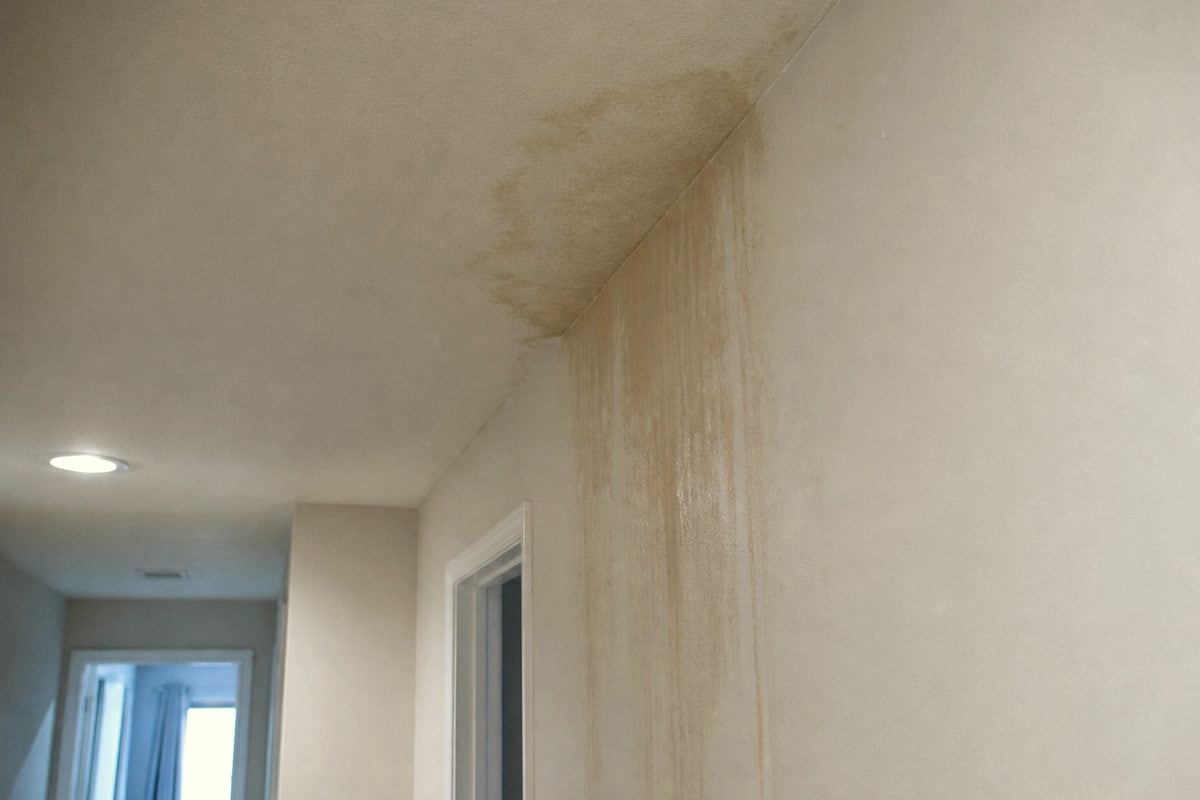
One of the hardest calls after property damage isn't what to clean up first. It's whether you should even be inside the building at all. This guide gives you concrete, hazard-based signs for when to leave, broken down by damage type, along with an honest answer to a question people rarely get a straight answer to: who actually has the authority to declare a property unsafe to occupy.
Signs It's Not Safe to Stay
You should leave a damaged property if you notice structural warning signs, air quality concerns, or utility hazards involving electricity, gas, or water, and you should treat any one of these as reason enough on its own. You don't need all three present. One is enough.
Structural Warning Signs
- Sagging or bowed ceilings and floors
- Visible cracks in walls, especially ones that seem to be growing
- Doors or windows that suddenly stick or won't close properly, which can indicate a shifting frame
- Any part of the structure that feels unstable underfoot
Air Quality and Health Warning Signs
- Strong, persistent musty odor suggesting hidden mold
- Smoke or soot odor lingering after a fire
- Sewage odor, which signals active contamination
- Physical symptoms like headache, coughing, or eye irritation that appear only while indoors
Utility-Related Warning Signs (Electrical, Gas, Water)
- Any gas odor, at any strength
- Exposed or wet electrical wiring
- Flickering lights or outlets that spark
- Water actively entering the structure with no clear stopping point
None of these require an engineering degree to notice. They do require leaving and getting a professional assessment rather than waiting to see if things improve on their own.
Evacuation Guidance by Damage Type
Whether you should leave depends on the specific damage type, since water, fire, sewage, and mold each carry different hazards and different timelines for professional clearance.
Water and Flood Damage
Leave if water is actively rising, has reached electrical systems, or if the structure shows any of the warning signs above. A slow, contained, already-stopped leak generally doesn't require evacuation, but it does still need professional attention. When Is Property Damage an Emergency? can help you sort a true emergency from a manageable repair.
Fire and Smoke Damage
Don't re-enter a property after a fire until fire officials have cleared it, if they responded. Even after that, lingering smoke odor and reduced air quality can make extended time inside uncomfortable or unsafe until the space has been professionally cleaned and assessed.
Sewage and Sewer Backup
Sewage contamination affects air quality as well as surfaces. It's generally advisable to limit time in affected areas and leave extended occupancy until the space has been professionally cleaned. This is one of the clearer "leave until it's handled" situations.
Mold Contamination
Large-area mold growth or mold connected to HVAC systems can spread spores throughout a building's air. If you're experiencing symptoms that improve when you're away from the property, that's a meaningful signal worth mentioning to whoever assesses the mold.
Getting a Professional Habitability Assessment
A professional habitability assessment identifies specific hazards in a damaged property, but it's worth knowing upfront that a restoration company assesses damage and safety concerns, it doesn't issue official condemnation or habitability rulings. That authority typically sits with local building or health officials, not with the company doing the restoration work.
What a restoration company like LA Water Damage can do is:
- Assess the extent and type of damage
- Identify hazards like Category 3 water, active mold, or fire-related contamination
- Recommend whether the space needs to be vacated during work
- Coordinate with you on next steps and, where relevant, your insurer
If you need an official determination about whether a property is legally habitable, that typically requires your local building or health department. LA Water Damage can be reached at request a callback or contact form to talk through your specific damage and what assessment makes sense.
Temporary Housing and Disaster Assistance Resources
If you need to leave your property for an extended period, options generally include staying with family or friends, short-term rentals, or, in larger disaster situations, official emergency housing assistance programs. Eligibility rules and program details vary and change, so this is an area where checking directly with official sources matters more than relying on a general summary.
Your insurance policy may also include additional living expenses coverage, sometimes called loss of use coverage, which can help offset temporary housing costs. Confirm this directly with your insurer, since it varies significantly by policy.
Returning Home After an Evacuation
Only return to a damaged property after a professional has confirmed the immediate hazards, structural, electrical, or contamination-related, have been addressed.
- Wait for explicit clearance, not just the absence of visible damage
- Don't rely on a visual inspection alone after fire, sewage, or significant water damage
- Ask specifically what's been addressed and what still needs follow-up work
- Keep documentation of the clearance for your own records
Commercial and Multifamily Considerations (Tenant/Resident Safety)
In commercial and multifamily properties, evacuation decisions affect more people at once, and tenant or occupant notification and legal obligations vary by property type and local law, so they should be confirmed with property management and legal counsel.
Multifamily buildings, hotels, restaurants, healthcare facilities, schools, retail spaces, warehouses, and offices each carry different occupancy considerations. A hotel with a water leak on one floor may only need to evacuate affected rooms. A healthcare facility with the same leak may face a much higher bar for continued occupancy given the population it serves. Emergency Property Damage Checklist covers the broader commercial response process, including tenant notification basics.
Frequently Asked Questions About Leaving a Damaged Property
How do I know if my home is unsafe to stay in after water damage?
Warning signs include sagging ceilings or floors, visible structural cracks, exposed or wet electrical wiring, and a strong musty odor suggesting mold. If you notice any of these, it's best to leave and have a professional assess the property before returning.
Is it safe to stay in my home after a small kitchen or bathroom fire?
It depends on the extent of smoke damage, air quality, and whether firefighters or fire officials have cleared the property. Even a contained fire can leave behind smoke residue and air quality concerns that warrant a professional evaluation before you resume normal use of the space.
Can sewage backup make the air in my home unsafe to breathe?
Yes, sewage backup can introduce harmful bacteria and odors that affect indoor air quality. It's generally advisable to limit time in affected areas and have the space professionally cleaned and assessed before spending extended time there.
Who decides if a property is officially uninhabitable?
Official habitability or condemnation determinations are typically made by local building or health officials, not a restoration company. A restoration company can assess damage and safety concerns and help guide next steps, but formal habitability rulings usually come from your local jurisdiction.
What should I bring with me if I need to leave my home suddenly?
Prioritize identification, medications, phones and chargers, and any critical documents if you can safely grab them quickly. Never delay leaving to gather belongings if there's an immediate safety risk like fire, smoke, or structural instability.
Are landlords or tenants responsible for deciding when to leave a rental property?
Both parties generally have a role. Landlords are typically responsible for maintaining safe conditions, while tenants should report hazards promptly and may need to leave if the property becomes unsafe. Specific responsibilities vary by lease and local law, so check your rental agreement or consult a legal professional for your situation. This matters in Greater Los Angeles specifically, given how much of the region's housing stock is renter-occupied.
When is it safe to move back into my home after evacuating for damage?
Only after a professional has confirmed the immediate hazards, such as structural instability, electrical risk, or contamination, have been addressed. Don't rely on visual inspection alone, especially after fire, sewage, or significant water damage.
Next Steps With LA Water Damage
Deciding whether to leave a damaged property is one of the more stressful calls a homeowner or property manager has to make. LA Water Damage can assess the hazards in your Greater Los Angeles property and help you understand what needs to happen before it's safe to stay or return. Call request a callback or visit contact form to talk through what you're seeing.
---