
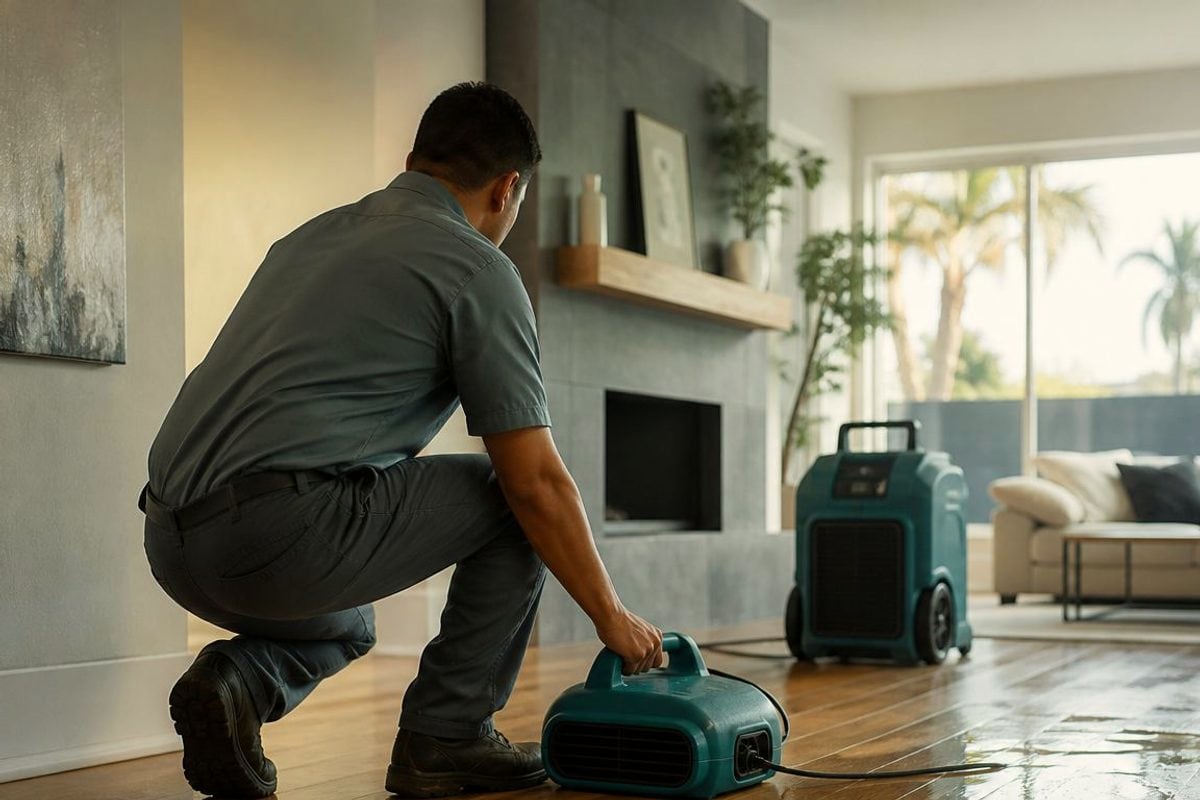
Not every leak, scorch mark, or musty smell means you need to drop everything and call for help right now. But some situations absolutely do, and the anxiety of not knowing which is which is one of the most common feelings homeowners describe when damage first appears. This guide gives you clear, general criteria for telling the two apart, by damage type, so you're not guessing under pressure.
What Makes Property Damage an "Emergency"
Property damage becomes an emergency when it poses a health or safety risk, is likely to spread or worsen quickly, or threatens the structural integrity of the building. Those three criteria, health and safety, rate of spread, and structural risk, cover almost every situation that genuinely needs immediate professional attention.
Health and Safety Risk
This includes anything that could cause injury, illness, or exposure to contamination. Sewage backup, active fire, electrical hazards near water, and mold affecting air quality all fall into this category.
Risk of Rapid Spread or Worsening
Some damage sits still. Other damage actively spreads while you're deciding what to do about it. Water migrating into new rooms, an active leak with an unknown source, or smoke still lingering after a fire are all examples where waiting makes things worse, not neutral.
Structural Risk
Sagging ceilings, cracked foundations, and water pooling near load-bearing walls all suggest the building's structural integrity could be compromised. This is one of the situations where a professional opinion matters most, since structural risk isn't always visible from a quick look.
If you're unsure which category your situation falls into, a professional assessment is generally the safer call than guessing. What to Do in the First Hour After Property Damage covers the immediate steps once you've made that call.
Emergency Signs by Damage Type
Emergency signs vary by damage type, but active spread, contamination, and structural involvement are the common threads across water, fire, sewage, and mold situations.
Water Damage Emergency Signs
- Water actively spreading to additional rooms
- Water near or touching electrical outlets or panels
- An unknown or unidentified water source
- Ceiling staining that's growing or dripping
Flood Damage Emergency Signs
- Water entering from outside the structure
- Rising water levels with no clear stopping point
- Contaminated floodwater, which can carry the same risks as sewage
Sewage and Sewer Backup Emergency Signs
- Any visible sewage backup, indoors or in a crawlspace
- Foul odor accompanied by standing water
- Backup affecting multiple fixtures at once, which can suggest a main line issue
Sewage backup is close to always an emergency, given the contamination risk involved. What to Do in the First Hour After Property Damage outlines exactly why DIY cleanup isn't recommended here.
Fire and Smoke Damage Emergency Signs
- Active flame or smoke, even if it looks minor
- Smoke damage near electrical systems
- Structural charring on load-bearing elements
- A property that hasn't been formally cleared by fire officials
Mold-Related Emergency Signs
- Large-area visible mold growth
- Mold connected to a recent, undetected water event
- Mold inside HVAC systems, which can spread spores throughout the building
- A persistent musty odor with no visible source
When It's Serious but Not an Emergency
Some property damage is worth addressing quickly but doesn't require an immediate emergency response, such as a slow, contained leak or cosmetic fire damage with no lingering hazard. This gray zone is real, and it's not a reason to ignore a problem.
- A small, stable leak with a clearly identified source
- Cosmetic soot staining with no odor or air quality concern
- Isolated, small-area mold with no connection to hidden moisture
Even in these cases, a professional assessment is still worth scheduling. "Not an emergency" doesn't mean "not worth calling about." It just changes the urgency, not the value of getting it looked at.
What to Do Once You've Confirmed It's an Emergency
Once you've confirmed an emergency, stop the source of damage if it's safe, document what you can, and contact a restoration professional right away.
- Confirm everyone's safety first
- Stop the source of damage if you can do so safely
- Document the damage briefly, without delaying your call
- Contact LA Water Damage at request a callback for emergency response across Greater Los Angeles
For a full breakdown of this sequence, see What to Do in the First Hour After Property Damage and Emergency Property Damage Checklist.
Emergencies in Commercial and Multifamily Properties
In commercial and multifamily properties, the same health, spread, and structural criteria apply, but the emergency also involves more people and often a business or operational impact. A leak in a single hotel room can become an emergency faster than the same leak in a house, simply because of shared walls, shared HVAC systems, and guest or tenant exposure.
Multifamily buildings, hotels, restaurants, healthcare facilities, schools, retail properties, warehouses, and offices all carry this added dimension. Emergency Property Damage Checklist includes a dedicated commercial and multifamily section worth reviewing if you manage one of these property types.
Frequently Asked Questions About Property Damage Emergencies
Is a small water leak considered an emergency?
Not always, but it can become one quickly if it's near electrical systems, spreading to other rooms, or coming from an unknown source. When in doubt, a professional assessment can confirm whether immediate action is needed.
What makes fire damage an emergency versus something that can wait?
Active fire, smoke inhalation risk, structural instability, or damaged electrical systems make fire damage an emergency requiring immediate action. Lingering smoke odor with no active hazard is still worth a professional evaluation, just with less urgency.
Is sewage backup always an emergency?
Yes, in most cases. Sewage backup introduces contaminated water into a living or working space, creating a health hazard that typically requires prompt professional cleanup, not just urgency around property damage.
How do I know if mold is an emergency versus a maintenance issue?
Visible large-area mold growth, mold linked to a recent water event, or mold affecting HVAC systems generally warrants prompt professional inspection. Small, isolated surface mold may be manageable, but a professional opinion is recommended if you're unsure.
Does insurance treat "emergency" damage differently than routine damage claims?
Insurers often expect prompt action on emergency damage to prevent it from worsening, which can affect claim outcomes. Coverage details and expectations vary by policy, so confirm specifics directly with your insurance provider.
What should I do if I'm not sure whether my situation is an emergency?
When uncertain, it's safer to have a restoration professional assess the situation. A quick call can clarify whether the issue needs immediate mitigation or can be scheduled as standard repair work.
Next Steps With LA Water Damage
If you're weighing whether your situation counts as an emergency, that uncertainty alone is a good reason to call. LA Water Damage serves Greater Los Angeles and can help you figure out what level of response your property actually needs. Reach out at request a callback or contact form.
---