
Commercial Sewage Cleanup addresses the immediate damage, the conditions that allowed it, and the work required before the affected area can return to use. A professional assessment should identify the source, affected materials, contamination or residue concerns, access limitations, and the work required before the property can return to normal use.
What this service typically includes
- stakeholder and access planning
- phased or after-hours work
- daily reporting and tenant coordination
- contamination assessment
- containment and access control
- sewage extraction
- removal of unsalvageable porous materials
- cleaning and disinfection
- odor treatment
- structural drying
- repair planning
Common causes
- blocked drains or sewer lines
- tree-root intrusion or damaged piping
- toilet or fixture overflows
- municipal surcharge
- pump or lift-station failure
- storm-related backflow
Signs to watch for
- wastewater emerging from drains or toilets
- sewage odor
- multiple slow or gurgling fixtures
- dark water at a low point
- contaminated flooring, walls, or contents
Typical process
- Restrict access. Keep occupants and pets away from the affected area.
- Stop the source. Coordinate plumbing or sewer service and suspend water use when needed.
- Contain and extract. Remove liquid, solids, and debris through controlled routes.
- Remove materials. Discard porous materials that cannot be reliably restored.
- Clean and dry. Complete detailed cleaning, disinfection, odor control, and drying.
- Repair. Restore finishes only after the area is clean and dry.
Where it applies
This service can be adapted for offices, retail centers, restaurants, hotels, warehouses, industrial facilities, institutions, and property-management portfolios. Residential work often requires contents protection and occupant communication. Commercial work may add tenant coordination, security, reporting, after-hours access, and phased reopening. State only the property types the business genuinely serves.
Cost factors
- size of the affected area
- source and duration of the damage
- materials and contents involved
- access, containment, and equipment needs
- specialty-trade or reconstruction requirements
- business-continuity and phased-access requirements
A reliable estimate follows an inspection. Avoid a universal price that ignores source, affected area, material condition, contamination, access, labor, equipment, disposal, specialty trades, and reconstruction.
FAQ
Can part of the business remain open?
Sometimes, when safety, utilities, access, air movement, contamination, and physical separation support phased occupancy.
What affects the project timeline?
The source, affected materials, contamination, access, drying or cleaning progress, and repair requirements all influence timing.
What should be documented?
Photograph visible conditions, record dates and affected areas, keep invoices, and preserve required insurance or property-management communications.
Related services
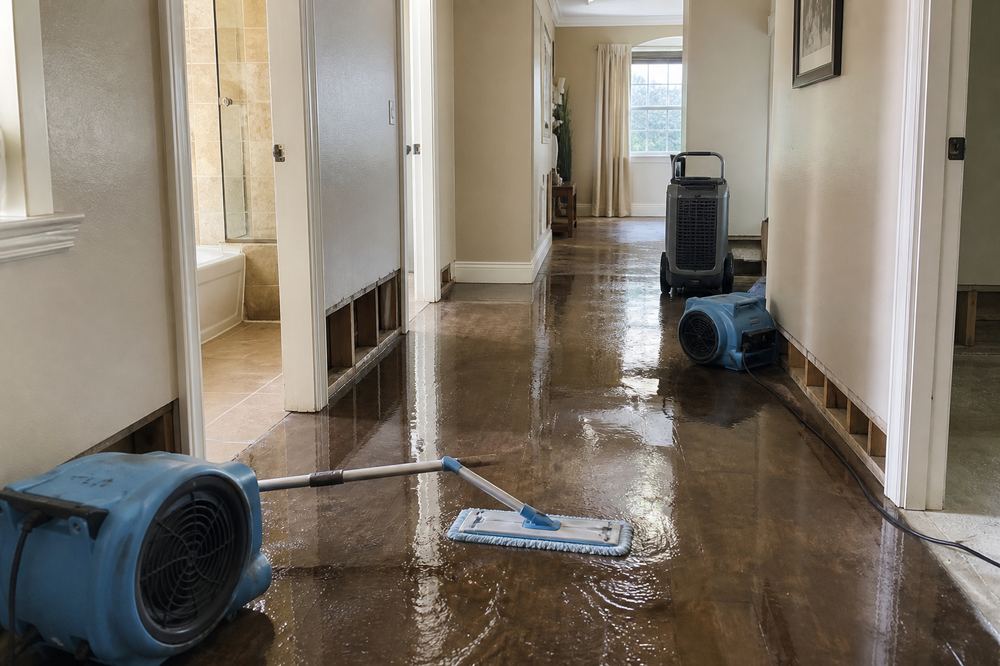
Sewage Backup Cleanup
Containment and cleanup for potentially contaminated water from drains, toilets or sewer backups.
Emergency Sewage Cleanup
Urgent containment and cleanup planning for a sewage release or backup.
Sewage Cleanup
Containment, removal and cleaning planning for areas affected by sewage.
Sewage Removal & Extraction
Removal planning for sewage and contaminated water before cleaning and restoration work.